
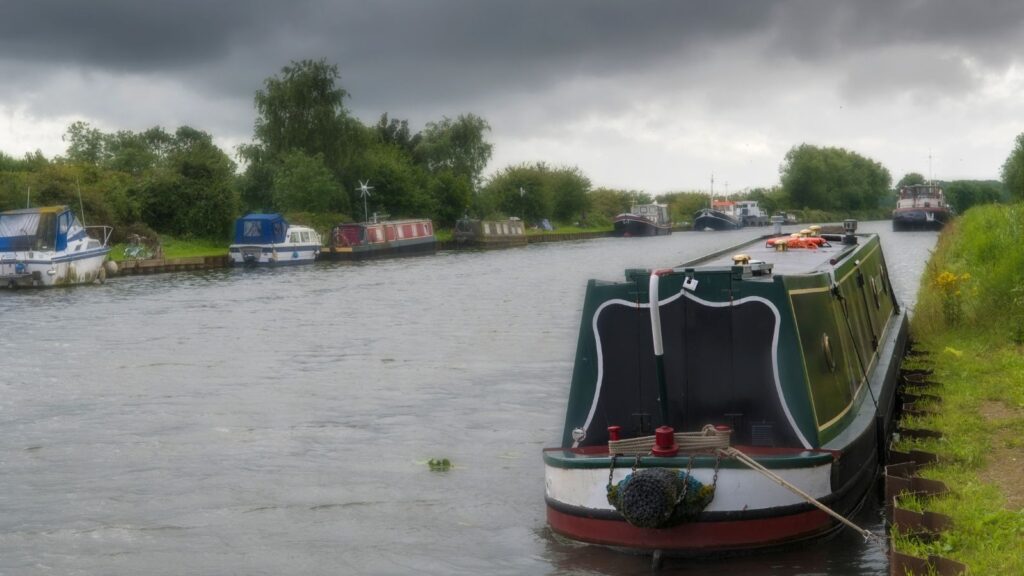
A UK canal boat holiday gives you the freedom to explore at a pace that feels refreshingly manageable. Instead of travelling directly between major attractions, the journey becomes part of each day. You might steer through wooded countryside in the morning, stop beside a village for lunch, and finish the afternoon among the restored waterways of the city centre.
The key is to avoid filling every available hour. Canal journeys take time, particularly when locks, tunnels, and busy moorings are involved. A flexible plan leaves room for unexpected discoveries and helps the holiday feel relaxing rather than rushed.
What can you discover beside the canal?
Many canal routes pass through places that are easily missed when travelling by road. Market towns, historic villages, old railway routes, and industrial landmarks often sit within walking distance of visitor moorings.
Before setting off, mark a few stops that genuinely interest your group. These might include a castle, local museum, nature reserve, or traditional market. Routes through Warwickshire, for example, can provide access to destinations such as Warwick, Stratford-upon-Avon, and the canalside villages around Braunston. Longer routes may also pass Warwick Castle, Tamworth Castle and the historic lock flight at Hatton.
Allow enough time to moor securely and walk into town. A destination that appears close to the canal on a map may still involve a 20-minute walk, particularly where the towpath passes around the edge of a settlement.
How can you experience the history of the waterways?
Canals reveal the industrial history of Britain in a very direct way. Tunnels, aqueducts, old warehouses, and lock cottages were once parts of a working transport network. Cruising through them makes their scale and purpose easier to understand.
The journey towards Birmingham is especially varied. Boats can pass through rural sections, Wast Hills Tunnel, and the historic village of Bournville before reaching the restored waterways around Gas Street Basin.
Once moored, you can explore the city on foot, visit a museum, or simply look around the old canal architecture before returning to the boat.
What wildlife might you see along the way?
Travelling slowly gives you more time to notice what lives beside the water. Ducks, swans, moorhens, and geese are common, while quieter stretches may offer sightings of kingfishers, herons, bats, or water voles.
Early morning and the final hour before sunset are often good times to watch wildlife. Keep binoculars near and approach quietly. Feeding bread to birds is best avoided because it provides little nutrition and can affect water quality. Suitable bird seed or chopped vegetables are more useful alternatives.
Nature reserves beside the canal can also make worthwhile stopping points. Fradley Junction and Nature Reserve, for instance, appears on the Warwickshire Ring and combines canal heritage with woodland walks and wildlife habitats.
Where can you stop for food and local experiences?
Canalside pubs remain part of the character of many routes. They can provide a welcome break after several hours at the tiller, especially when there is secure mooring nearby.
Check opening hours before relying on a particular pub for dinner. Rural kitchens may close earlier during the week, while popular venues can become busy at weekends. It also helps to keep one easy meal on board in case you arrive later than planned or cannot find a suitable mooring.
Farm shops, bakeries, and local markets are useful places to restock. Buying ingredients during the journey can turn an ordinary evening on board into part of the experience.
What can you do when the weather changes?
Rain does not need to stop the holiday, although it may change the day’s plans. Waterproof clothing allows the crew to continue through lighter showers, while the boat provides a warm base when conditions become less inviting.
Rainy day activites on a canal boat holiday can include cooking together, playing cards, reading, watching a film, or planning the next section of the route. You could also moor near an indoor attraction, café, or museum and explore on foot until the weather improves.
Avoid committing to an ambitious cruising target during heavy rain or strong winds. Slowing down, stopping early or adjusting the route can make the day safer and far more enjoyable.
How can you make time on board more memorable?
Some of the best moments are often the simplest. Take breakfast outside beside a quiet rural mooring, share steering duties or go for an evening walk along the towpath. Children can keep a wildlife diary, while adults might photograph bridges, boats, and changing landscapes.
A canal holiday offers plenty to see, but it also creates time to talk, cook, and spend unhurried hours together. Leaving space in the itinerary is what allows those moments to happen.
FAQs
What attractions can I visit during a canal boat holiday?
Depending on your route, you may be able to visit market towns, castles, museums, nature reserves, historic villages and city-centre attractions.
How many places should I plan to visit each day?
One main stop is often enough. Locks, mooring and walking from the canal can take longer than expected, so avoid planning a tightly packed schedule.
Can I stop anywhere along the canal?
You can usually moor along designated towpath sections, provided there are no restrictions and you do not block locks, bridges, water points or private moorings.
What wildlife can be seen from a narrowboat?
Common sightings include ducks, swans, moorhens and herons. Quieter waterways may also provide opportunities to see kingfishers, bats and water voles.
Is there anything to do when it rains?
Yes. You can continue cruising in suitable waterproof clothing, visit nearby indoor attractions or enjoy cooking, games, films and other activities on board.