
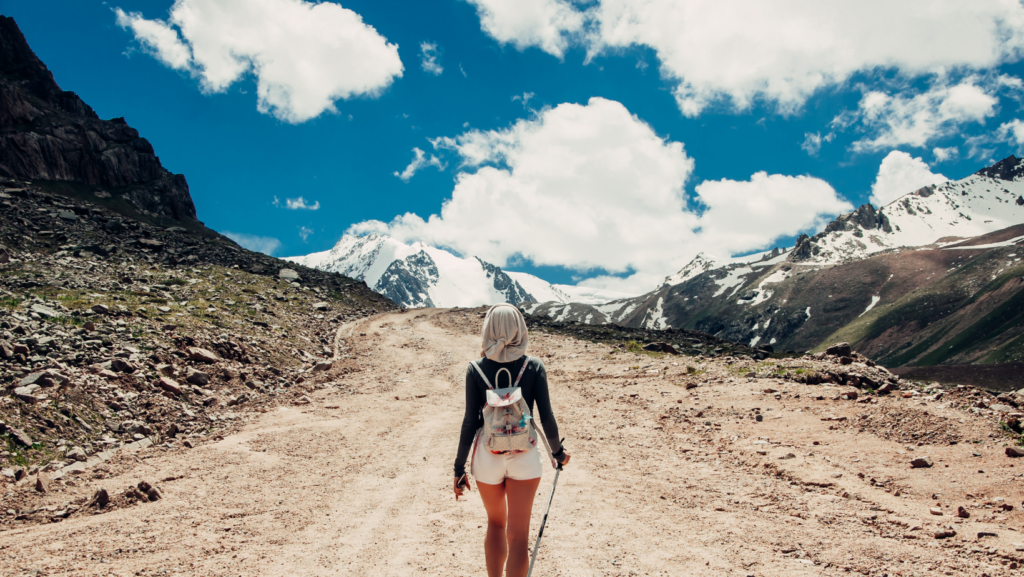
If you’ve ever taken your backpack off halfway through a hike and immediately felt relief, you already know the problem. Most people carry more than they need, not because they’re careless, but because it’s hard to judge what’s actually necessary until you’ve spent time on the trail.
Packing lighter doesn’t mean leaving behind important gear. It usually comes down to understanding what you consistently use versus what just sits in your bag for hours.
Once you start paying attention to that difference, everything gets easier.
Think About the Hike First, Not the Gear
Before you even start packing, it’s worth taking a step back and thinking about the actual conditions you’ll be walking into. A short hike in stable weather doesn’t require the same setup as a long, exposed route where things can change quickly.
People often pack for the worst-case scenario, even when it’s unlikely. That’s how bags end up filled with “just in case” items that never get touched.
A more useful approach is to match your gear to the reality of the hike. If the trail is well-marked, the weather is predictable, and you’ll be out for a few hours, your pack should reflect that, not a multi-day survival setup.
Clothing Is Where Weight Creeps In
Most overpacked bags have one thing in common: too many clothes.
It’s easy to convince yourself that an extra layer won’t make a difference, but it adds up quickly. What works better is sticking to a simple layering system that you can adjust as conditions change.
A base layer, something warm, and a weather-resistant outer layer will cover most situations. Beyond that, you’re usually carrying backups rather than necessities.
Once you trust that system, you stop packing duplicates out of habit.
The “Just in Case” Trap
There’s always that small group of items that feel difficult to leave behind. They don’t weigh much individually, but together they make your pack heavier than it needs to be.
The easiest way to deal with this is to think back to your previous hikes. Which items did you actually use? Which ones stayed in the bottom of your bag the entire time?
That reflection is often more useful than any packing checklist. Over time, you start to recognize patterns, and it becomes much easier to leave certain things behind without second-guessing yourself.
Make Your Gear Work Harder
Another way to reduce weight without losing functionality is to choose items that can serve more than one purpose.
For example, a lightweight jacket that handles both wind and light rain removes the need for separate layers. A simple buff can replace multiple accessories. Even small choices like this make a noticeable difference once everything is packed together.
It’s not about turning your setup into a minimalist experiment, just about avoiding unnecessary overlap.
A Well-Packed Bag Feels Lighter
Even with the same gear, a poorly packed backpack can feel heavier than it should.
When weight sits too far away from your body, it pulls you backward and forces your shoulders to compensate. When things shift around inside your pack, you end up adjusting constantly.
Keeping heavier items close to your back and placing frequently used items where you can reach them easily changes how the pack feels when you’re moving. It’s one of those small adjustments that makes a long hike noticeably more comfortable.
The Backpack Itself Matters More Than You Think
Sometimes the issue isn’t what you packed, it’s the bag you’re using.
If your backpack is too large, you’ll naturally fill the space. If it doesn’t fit properly, even a relatively light load can become uncomfortable after an hour or two.
Things like torso length, strap positioning, and how the weight sits on your hips all play a role. If you haven’t paid much attention to that before, it’s worth taking the time to understand it. This guide on how to choose a hiking backpack explains the key points in a practical way without overcomplicating things.
Getting the right fit often has a bigger impact than removing a few extra items.
Food and Water Require a Bit of Planning
Food and water are essential, but they’re also easy to overestimate.
People tend to pack more food than they’ll realistically eat, especially on shorter hikes. Keeping things simple and focusing on compact, high-energy options usually works better than bringing full meals.
Water is similar. If your route includes reliable refill points, carrying everything from the start isn’t necessary. A small filter or purification method gives you more flexibility without adding much weight.
You Probably Don’t Need That Much Tech
It’s tempting to bring extra devices, especially if you like documenting your hikes or want backups for everything.
In practice, most hikes don’t require much beyond a phone, a headlamp, and maybe a small power bank. Additional gear often sounds useful beforehand but ends up unused.
Keeping things simple here reduces both weight and the number of things you need to manage.
It Gets Easier With Experience
Packing lighter isn’t something you perfect all at once. It’s something that improves naturally as you spend more time hiking.
After each trip, you start to notice what worked and what didn’t. You remember which items stayed buried in your pack and which ones you reached for repeatedly. Those small observations shape your decisions next time.
Over time, your pack becomes less about “what if” and more about what actually makes your hike better.
Final Thought
A lighter backpack doesn’t just reduce physical strain, it changes how you experience the hike. You move more freely, you’re less distracted by discomfort, and you can focus more on the trail itself.
You don’t need to make drastic changes to get there. Just start paying attention to what you carry versus what you use, and adjust from there.