
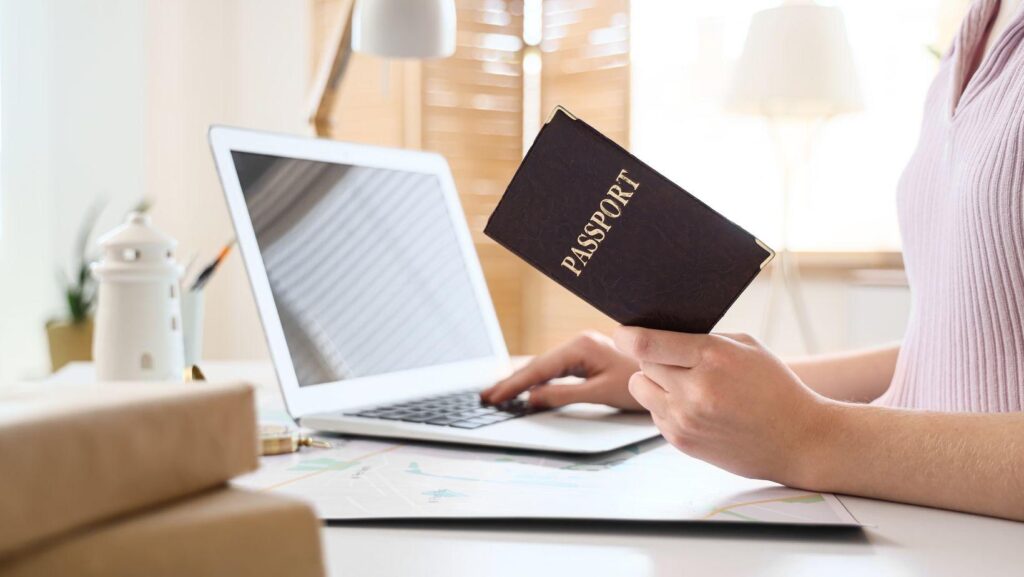
International travel once meant carrying a thick folder filled with printed tickets, hotel confirmations, visa documents, insurance papers, and other records. Travelers had to keep these documents organized throughout the journey and make sure nothing important was lost.
Today, much of that process has moved online. A smartphone can hold a flight itinerary, hotel confirmation, boarding pass, insurance document, and other travel information in one place. For people travelling between countries, this shift has made preparation more convenient and easier to manage.
Digital travel documentation is about more than replacing paper with PDF files. It has changed how travelers organize trips, access reservations, prepare visa documents, and respond when plans change. Understanding how these tools work can help travelers prepare more efficiently before leaving home.
What Is Digital Travel Documentation?
Digital travel documentation refers to electronic records used during different stages of a journey. These can include flight itineraries, hotel confirmations, travel insurance documents, visa paperwork, electronic visas, boarding passes, and other travel records.
Some documents are provided directly by airlines, hotels, government departments, or insurance companies. Other travel documents may be obtained through travel-service providers depending on the traveler's requirements.
One of the main advantages of digital documentation is accessibility. Instead of searching through a physical folder for one particular document, travelers can often find the information on a phone, tablet, or computer within seconds.
However, going digital does not mean travelers should completely eliminate physical backups. Phones can run out of battery, devices can be damaged, and internet access may not always be available. Keeping secure offline and physical copies of essential documents remains a sensible approach.
Why Travel Documentation Has Become More Digital
The move toward digital travel documentation is part of the wider digitalization of the travel industry.
Airlines now allow travelers to check in online, access boarding passes through mobile applications, manage reservations, and receive updates about schedule changes. Hotels have also moved many booking processes online, allowing guests to access confirmations through email, websites, and travel applications.
Government travel systems have increasingly introduced online visa applications, appointment systems, electronic travel authorizations, and other digital services. As a result, travelers can complete and manage more parts of their journeys without depending entirely on printed paperwork.
For travelers, this means that a large amount of useful information can now be accessed from a single device.
Digital Documents Make Trip Organization Easier
One of the biggest advantages of digital documentation is organization.
An international trip can involve multiple flights, hotels, trains, transfers, insurance policies, and entry documents. Managing all of these details with paper documents can become difficult, especially when the journey involves several destinations.
Digital files can be stored in organized folders or cloud services, while travel applications can keep reservations and schedules together. Confirmation numbers can also be searched quickly instead of being manually located in a stack of paperwork.
This can be particularly useful for families and groups. One person can maintain the main itinerary while each traveler keeps copies of their own important documents.
The goal is not to accumulate hundreds of digital files. A better approach is to create a simple system where essential information can be found quickly whenever it is needed.
Flight Reservations Are Easier to Manage Digitally
Flight documentation is one area where digital systems have made international travel preparation much simpler.
Travelers may need to show their intended route when preparing a visa application, arranging onward travel, or providing travel documentation for another purpose. Depending on the situation, this may involve a flight itinerary or temporary reservation rather than purchasing a full airline ticket immediately.
This is where DummyFares can be relevant for travelers who need digital flight documentation. The company provides flight itineraries and temporary flight reservations for travel-documentation purposes, including options with a live PNR for situations where reservation verification is required.
A temporary reservation can be useful when travelers need to demonstrate their intended travel plans without purchasing an expensive flight before their visa has been approved or their plans have been finalized.
There is an important distinction to understand, however. A temporary flight reservation is not the same as a fully paid airline ticket. DummyFares states that its flight itinerary and temporary reservation services are intended for documentation purposes and should not be treated as a ticket for boarding.
Travelers should therefore check the exact requirements of the embassy, consulate, airline, or immigration authority involved before choosing any type of flight documentation.
The Role of PNRs in Digital Travel
The Passenger Name Record, commonly known as a PNR, is another important part of modern digital travel.
A PNR is a booking reference associated with a flight reservation. Depending on the airline and reservation system, it can be used to retrieve or verify reservation information while the booking remains active.
For travelers preparing documentation, electronic verification can provide additional clarity. Instead of relying only on a printed document, a relevant booking reference may allow reservation information to be checked through an airline or applicable reservation system.
However, travelers should understand that temporary reservations can have limited validity. Airline systems may release held reservations according to their own rules. DummyFares also explains that the validity of its temporary reservations depends on airline policies and other circumstances.
This is why travelers should consider the timing of their documentation and avoid arranging a temporary reservation too far in advance when a specific appointment or submission date is involved.
Digital Documentation Can Help Reduce Unnecessary Costs
Another benefit of digital travel documentation is financial flexibility.
International travel can become expensive even before the journey begins. Travelers may need to pay for visa applications, accommodation, insurance, transportation, and flights.
Buying an expensive or non-refundable flight before receiving a visa decision can create unnecessary financial risk. When an authority accepts a flight itinerary or temporary reservation as evidence of intended travel, travelers may be able to provide the required documentation without immediately purchasing the full airfare.
The key is understanding what the relevant authority actually requires. If an embassy, airline, or immigration authority specifically asks for a fully paid and ticketed flight, a temporary reservation should not be treated as an equivalent substitute.
Digital convenience should always work alongside official requirements rather than replacing them.
Smartphones Are Becoming Travel Document Wallets
Modern smartphones can function almost like digital travel wallets.
A single device can contain an airline application, boarding passes, hotel confirmations, maps, emergency contacts, insurance information, and copies of important documents.
This can make travel much easier. Instead of searching through a bag for a particular confirmation number, travelers can often find it within seconds.
Mobile access is also helpful when unexpected situations occur. If a flight is delayed or an accommodation booking changes, travelers can quickly access their original reservation details and use them when communicating with the airline, hotel, or travel provider.
However, convenience should not lead to complete dependence on one device. Important documents should also be available offline, and travelers should consider keeping secure backup copies.
Digital Travel Records Help When Plans Change
International travel rarely goes exactly according to plan.
A delayed flight can affect hotel check-in. A missed connection can change an itinerary. Bad weather can force a traveler to change transportation arrangements. Personal circumstances can also result in a postponed trip.
Digital documentation makes it easier to locate original booking information when adjustments become necessary.
Instead of searching through several pieces of paper, travelers can access the relevant reservation, confirmation email, or digital document and use the information when contacting an airline, hotel, insurance provider, or travel service.
Digital records cannot prevent travel disruptions, but they can make the administrative side of handling those disruptions much easier.
Digital Does Not Always Mean Paperless
Despite the advantages of digital documentation, completely eliminating physical copies is not always practical.
Phones can be lost or damaged. Batteries can run out. Internet connections can become unreliable. Some officials may also request a printed document.
For important international trips, travelers should download essential documents before departure so they can be accessed without an internet connection. Secure offline copies can be particularly useful at airports or other locations where connectivity may be limited.
A small number of printed backup documents can also be useful, especially for passports, visa approvals, insurance information, and other records that would be difficult to replace quickly.
The smartest approach is not necessarily digital versus paper. It is digital convenience supported by sensible backups.
Security Matters More Than Ever
As more travel information moves online, digital security becomes increasingly important.
Travel documents may contain names, passport details, booking references, dates of birth, and other personal information. Travelers should think carefully about where these documents are stored and who receives access to them.
Strong passwords, device security, reputable cloud storage, and official travel websites can reduce unnecessary risks. Travelers should also be cautious about unexpected messages asking for passport details, payment information, or other sensitive data.
Public Wi-Fi can create additional security concerns. When accessing sensitive accounts during a trip, using trusted networks and appropriate security measures is preferable.
Digital convenience should never come at the expense of privacy.
Digital Documentation Is Useful for Visa Preparation
Visa applications are one area where organized digital records can be particularly helpful.
Depending on the destination and visa category, applicants may need documents related to accommodation, intended flights, travel insurance, financial circumstances, employment, or other aspects of the planned journey.
Keeping these documents digitally makes them easier to organize, update, and access when required.
Travelers should always check the current requirements of the relevant embassy, consulate, or immigration authority. Requirements can differ according to nationality, visa category, destination, and application location.
A digital travel document is useful only when it meets the requirements of the organization requesting it.
The Future of Global Travel Documentation
The travel industry is continuing to move toward digital systems.
Electronic visas, mobile boarding passes, online check-in, biometric systems, digital booking platforms, and smartphone travel applications are gradually changing how people move through airports and across borders.
The next stage will likely involve better integration between these systems. Travelers may increasingly expect their itineraries, reservations, travel updates, and other information to be accessible through connected platforms.
At the same time, privacy, cybersecurity, accessibility, and reliability will remain important. Technology can make travel easier, but digital systems need to work for people with different levels of technical experience and different access to technology.
Conclusion
Digital travel documentation has changed the way people prepare for international journeys. Flight itineraries, hotel confirmations, electronic visas, insurance records, boarding passes, and reservation information can now be accessed through devices that fit into a pocket.
The biggest advantage is not simply convenience. Digital documentation allows travelers to organize complex information in a way that can be accessed quickly and updated when circumstances change.
For travelers, the best approach is to use digital tools without becoming completely dependent on them. Keep important documents secure, maintain offline backups, understand the difference between temporary reservations and fully paid airline tickets, and always check the requirements of the relevant authority.
When a flight reservation or itinerary is needed for visa or travel documentation, services such as DummyFares may provide one option depending on the traveler's requirements. However, travelers should always make sure the documentation they use matches the specific requirements of the authority handling their application.
As international travel becomes increasingly connected, good documentation will remain an important part of the journey. The difference is that the travel folder of the future may be much smaller, lighter, and easier to carry.