
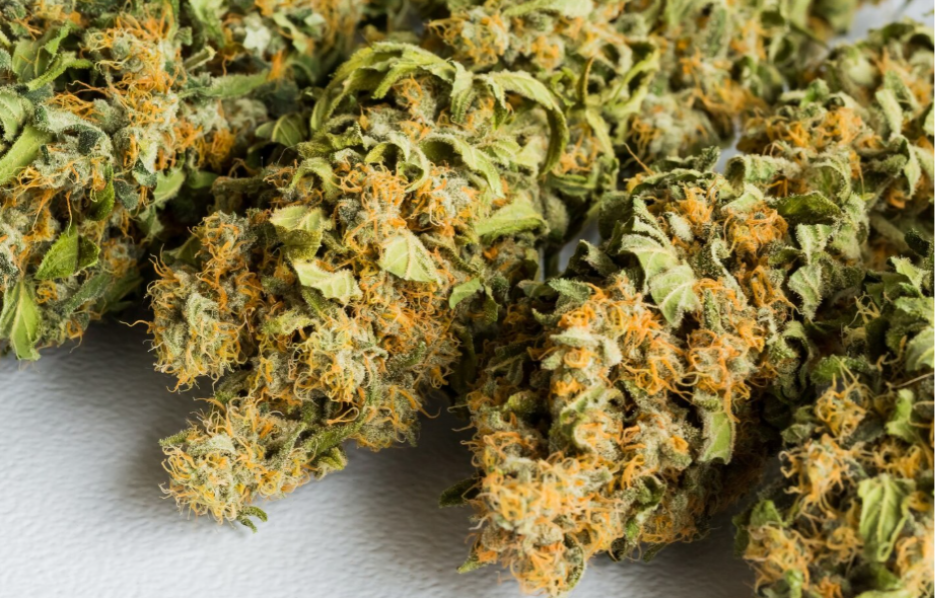
When you build a cannabis flower menu, you need more than a long list of strain names. Your customers can compare products in different ways before deciding what to buy. For you, that means every new flower SKU needs to offer a clear reason for taking up space in your inventory.
Blueberry Lemon Bars stands out through a dessert-inspired profile that combines sweet blueberries with tart lemon notes. Its reported Lemon Tree × Blueberry lineage gives you another product detail to consider, while its hybrid profile adds another option to a varied flower selection. When you look at the Blueberry Lemon Bars bulk hybrid format, the purchasing side becomes just as important as the strain itself.
You need to decide whether the flower’s overall profile and purchase format make sense for your shelves, customers, and inventory plans.
So, what makes Blueberry Lemon Bars bulk hybrid interesting for cannabis retailers? Let’s look at why it may be worth considering for your inventory.
1. Citrus-Berry Flavor Profile Supports Product Differentiation
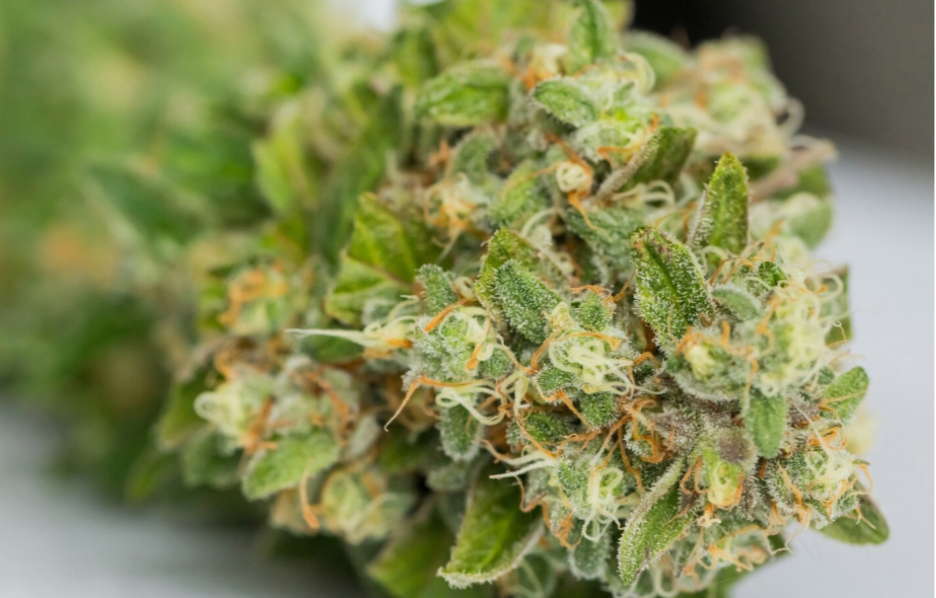
Flavor gives you a simple way to separate one flower SKU from another. Blueberry Lemon Bars brings together sweet blueberry and sugary lemon notes, with citrus, berry, and spicy characteristics adding more depth to its profile.
A recognizable flavor profile can also give your budtenders useful talking points. Instead of describing flower only by strain name or cannabinoid content, your team can explain what makes one option different from another, which can make comparisons easier for customers with specific flavor or aroma preferences.
Research also supports the importance of these product attributes. A 2022 systematic review found that cannabis consumers consider product attributes such as price, quality, potency, and aroma when making purchasing decisions.
For your inventory, choosing the Blueberry Lemon Bars bulk hybrid gives you a clear citrus-berry identity that sits alongside earthy, fruity, or spicy profiles rather than competing only on potency.
2. Lemon Tree × Blueberry Genetics Offer Clear SKU Placement
Genetics can help you understand where a flower product fits within your menu. Blueberry Lemon Bars is associated with Lemon Tree × Blueberry genetics, giving you a recognizable lineage to discuss alongside its flavor and aroma profile.
The hybrid classification gives you another point to consider when building your assortment. You can compare the product with other hybrids while looking at its genetics, aroma, flavor, and other available product information.
For you as a buyer, clear SKU placement can make assortment planning easier. If your current flower selection already contains several products with similar profiles, a hybrid with a different flavor and genetic identity may provide useful variety.
3. Reported Effects Offer Flexible Product Placement

Reported effects associated with Blueberry Lemon Bars can give you another way to position the product. Descriptions commonly include euphoric, giggly, sociable, relaxing, physically calming, and uplifting characteristics. For your team, these descriptions can become useful product education points when helping customers compare flower options.
Treat effect descriptions as reported characteristics rather than guaranteed outcomes, since cannabis can affect people differently.
The combination of uplifting and calming descriptions may give you more flexibility when organizing your menu, letting you present the product as a hybrid with a broader reported profile instead of limiting it to a single type of experience.
4. Bulk Purchases Can Improve Your Inventory Economics
The bulk format makes the purchasing side especially important. When you buy flower in larger quantities, you need to look at more than the upfront price. You also need to consider how much inventory your business can reasonably store and sell.
Purchase quantities such as ¼ pound, ½ pound, and 1 pound give you different volume points to consider. Depending on supplier pricing, a larger order may provide a lower effective cost per unit than buying smaller quantities, though overall margins still depend on packaging, storage, labor, and how quickly the product sells.
Your expected turnover should play a major role in the decision. A dispensary that moves flower quickly may find a larger purchase fits its inventory model, while a slower-selling product can tie up cash and storage space if bought in bulk. Comparing purchase price against expected sell-through gives you a clearer view of whether the quantity makes sense.
5. Lab Results Build Confidence Before You Source Flower

Flavor and genetics can make Blueberry Lemon Bars interesting as a flower option, but testing information gives you another factor to consider before adding the product to your inventory. A Certificate of Analysis, or COA, can provide documented information about a product’s tested characteristics, helping you review the flower before committing to a bulk purchase.
Testing requirements vary by state. In California, for example, the Department of Cannabis Control requires state-licensed laboratories to use its standardized cannabinoid test method for testing dried flower and non-infused pre-rolls.
For a bulk order, having access to relevant testing information can give you more confidence in the product you are sourcing. Before purchasing Blueberry Lemon Bars in larger quantities, check the available testing documentation and make sure the flower meets the testing, packaging, and labeling requirements that apply to your operation.
Bottom Line
Blueberry Lemon Bars bulk hybrid brings together several qualities that may interest cannabis retailers. Its sweet blueberry and tart lemon profile gives your flower menu a distinct sensory option, while its Lemon Tree × Blueberry genetics provide a recognizable product story.
Reported uplifting and calming characteristics offer another way to position the SKU. Bulk purchase quantities may also fit a larger inventory strategy when sales volume supports them.
Testing information also gives you another tool for checking product quality and meeting applicable requirements. Together, these factors can help you decide whether the product fits your shelves, customers, and purchasing plans.