
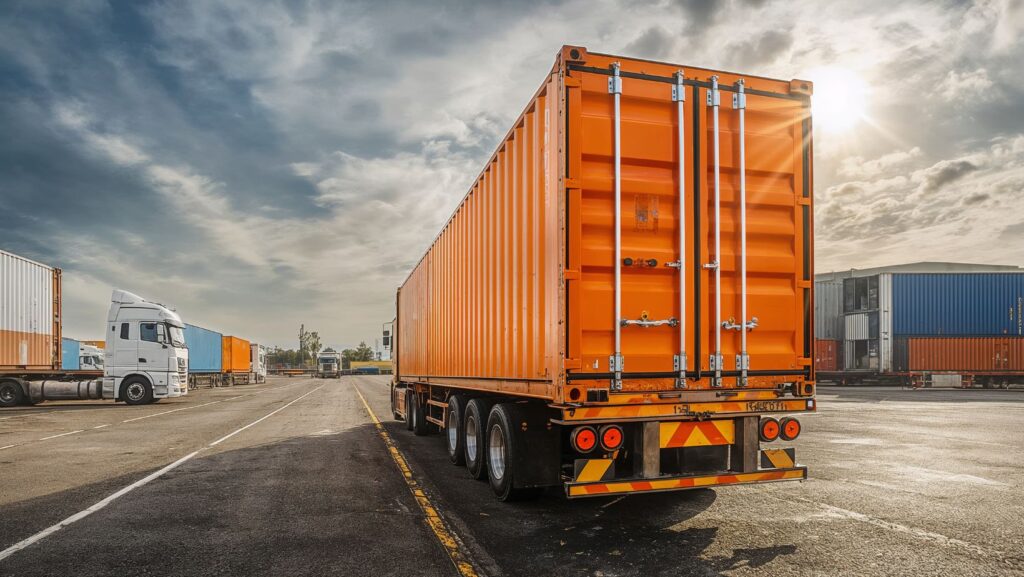
Tucson is a city built around outdoor living, and for a lot of residents that means owning a trailer. Whether you haul equipment for a weekend job, tow a boat to the reservoir, or keep a horse trailer ready for trail season, storing that asset properly matters. Parking a trailer at home sounds simple until HOA letters start arriving or the driveway becomes unusable.
In this article, we walk through the types of trailer storage available in Tucson, what to look for when evaluating a facility, how storage is priced in the local market, and how to prepare your trailer for Arizona’s demanding climate before dropping it off.
Key Takeaways
- Tucson’s desert climate creates unique storage challenges including UV damage, extreme heat, and monsoon moisture.
- Trailer storage facilities range from basic open lots to fully enclosed units, each suited to different trailer types and budgets.
- Security, gate access hours, and space dimensions are the most critical factors to evaluate before signing a contract.
- Prepping your trailer before storage prevents costly damage from sitting idle in Arizona heat.
- Comparing multiple facilities on a cost-per-foot basis gives you the clearest picture of real value.
The Real Cost of Leaving a Trailer Unprotected in Tucson
Tucson’s sun is relentless. Average annual temperatures push well above 100 degrees Fahrenheit in summer, and UV index readings regularly hit extreme levels. Trailers left on exposed driveways or street parking deteriorate faster here than in almost any other region of the country. Tires crack, paint oxidizes, wiring insulation becomes brittle, and rubber seals fail well ahead of schedule.
There is also a practical legal dimension to consider. Many Tucson neighborhoods, especially those governed by HOAs, prohibit trailer parking in driveways or on streets for more than 72 hours. Violations can escalate quickly into fines and even towing. A dedicated storage facility sidesteps all of that while keeping your trailer in far better condition over time.
Trailer Storage Options in Tucson
Open-Air Lot Storage
Open-air storage places your trailer on a paved or gravel lot with no overhead covering. It is the most affordable option available and works adequately for trailers that are used frequently and do not sit idle for extended periods. For longer storage stretches in Tucson’s summer heat, the lack of shade becomes a real drawback that a quality trailer cover can only partially offset.
Covered or Canopy Storage
Covered storage adds a metal roof structure above your trailer while leaving the sides open to airflow. This setup dramatically reduces direct UV exposure and keeps surface temperatures lower during Tucson’s hottest months. It strikes a useful balance between cost and protection, making it one of the most popular choices among Tucson trailer owners who store seasonally.
Enclosed Indoor Storage
Fully enclosed storage provides a private or shared indoor bay where your trailer is completely shielded from weather, dust, and sunlight. This is the premium tier of trailer storage and commands the highest monthly rates. For high-value equipment trailers, enclosed horse trailers, or specialty units with sensitive finishes, the added protection justifies the cost difference significantly.
Key Features To Evaluate at Any Tucson Storage Facility
At a glance, many facilities look similar. The difference is in how they operate day to day. Here are some features to look out for:
- Security Infrastructure
A quality facility should have perimeter fencing, individually coded gate access, and surveillance cameras positioned at entry points and throughout the storage area. Lighting matters too, particularly if you plan to access your trailer during early morning hours before a job or trip. A well-lit, camera-monitored property is a strong deterrent against theft and vandalism.
- Access Hours and Flexibility
Think carefully about when you actually need your trailer. Contractors and tradespeople often need access before dawn. Recreational users might need weekend or holiday access that some facilities restrict. Confirm gate hours before committing to any agreement, and ask whether extended or 24-hour access is available and at what cost. Access limitations that seem minor upfront can become a genuine operational problem over time.
- Space Dimensions and Clearances
Not all storage spaces are created equal. A facility that advertises 30-foot spaces may have entrance lanes or turning radii that make maneuvering a long gooseneck trailer nearly impossible. Measure your trailer, including any tongue length or rear overhang, and verify those dimensions against the facility’s actual available spaces. If possible, visit in person and walk the lot before signing anything.
- Facility Condition and Management
The physical condition of a storage facility tells you a great deal about how it is managed. Cracked pavement, broken lighting, overflowing lots, and unanswered phone calls are warning signs. A well-maintained facility with responsive staff signals that management takes tenant concerns seriously, which matters when issues come up during your rental period.
Understanding Trailer Storage Pricing in Tucson

Monthly rates in Tucson vary based on storage type, trailer size, and facility location. Open-air spaces are the most affordable, followed by covered spots, with enclosed units at the top of the price range.
Rather than comparing flat monthly dollar amounts, calculate the cost per foot of trailer length. A facility charging slightly more per month for a longer space may actually be a better deal than a cheaper spot that forces you into a smaller space your trailer barely fits.
Pricing can also fluctuate with demand. Tucson sees seasonal spikes in storage demand tied to snowbird arrivals in winter and summer construction activity. Locking in a rate for a longer-term agreement when demand is lower can save meaningful money over the course of a year.
How To Find the Right Facility for Your Trailer
Start by identifying facilities that are geographically convenient to your home or primary work site. A storage location that adds significant drive time to every pickup and drop-off quickly becomes a source of friction.
To narrow your options:
- Shortlist facilities near your home or work site
- Filter by storage type and access hours
- Read recent reviews for consistent patterns
- Visit at least two or three locations in person
Anyone looking for trailer storage in Tucson should visit at least two or three facilities in person before making a final decision, since photos and websites rarely capture the full picture of how a lot actually operates.
Preparing Your Trailer for Storage in Arizona
Clean Thoroughly Before Move-In
Dirt, grease, and organic debris left on a trailer during storage can cause corrosion and attract pests. Wash the exterior completely and clean out the interior before your first drop-off. Pay particular attention to wheel wells, undercarriages, and any crevices where moisture or debris can accumulate during Tucson’s monsoon season between July and September.
Protect Tires From UV and Heat
Arizona heat and UV exposure are among the leading causes of premature tire failure. Apply a quality tire protectant before storage and consider UV-blocking tire covers if your trailer will be stored outdoors or under a canopy. If your trailer will sit for several months, use tire cradles or jacks to relieve pressure from the contact points and reduce the risk of flat-spotting.
Secure Electrical and Mechanical Components
Disconnect the battery if your trailer has one, and store it in a cool location or on a trickle charger. Lubricate the hitch, coupler, and any moving mechanical parts to prevent seizing in the heat. Check brake lines and lights before each return from storage so you are not discovering problems on a job site or during a trip.
Conclusion
Tucson’s climate makes proper trailer storage more than a convenience. It is a practical investment in the longevity and reliability of an asset you depend on. Whether you choose open-air, covered, or enclosed storage, the key is finding a facility with solid security, appropriate dimensions, and access hours that match how you actually use your trailer.
Take the time to visit your top choices in person, compare pricing on a per-foot basis, and read what other tenants have to say before signing any agreement.
FAQs
Is It Legal To Store a Trailer on My Driveway in Tucson?
It depends on your neighborhood and HOA rules. The City of Tucson has ordinances that limit how long commercial or oversized vehicles can be parked on residential streets, and many HOAs have their own stricter restrictions. If you are unsure, check your HOA guidelines or contact the city directly to confirm what applies to your property before assuming driveway storage is allowed.
How Much Does Trailer Storage Cost in Tucson?
Rates vary based on the type of storage and trailer size. Open-air spaces are generally the most affordable, with covered and enclosed options progressively higher. Seasonal demand also plays a role. Comparing cost per foot of trailer length across several facilities will give you a more accurate sense of where you are getting the best value for your specific trailer.
What Size Storage Space Do I Need for My Trailer?
Measure your trailer from the front of the hitch or tongue to the rear of the unit, then add a few feet of buffer for maneuvering. If your trailer has a rear ramp or doors that swing outward, account for that clearance as well. Always confirm the available space dimensions with the facility directly and, if possible, walk the lot to assess turning clearances and lane width.
How Do I Protect My Trailer From Arizona Heat During Storage?
Covered or enclosed storage is the most effective option. If you are using open-air storage, invest in a heavy-duty UV-resistant cover, apply tire protectant, and consider parking aids to relieve sustained pressure on tires. Check on the trailer periodically during peak summer months to catch any developing issues early before they become expensive repairs.
Do Trailer Storage Facilities in Tucson Require Insurance?
Most reputable facilities require proof of current insurance before accepting your trailer. Your existing auto or trailer policy typically covers the unit while stored, but confirm the coverage limits and any exclusions with your insurer. Some facilities offer supplemental liability coverage as an optional add-on, which can provide additional peace of mind for higher-value trailers.