
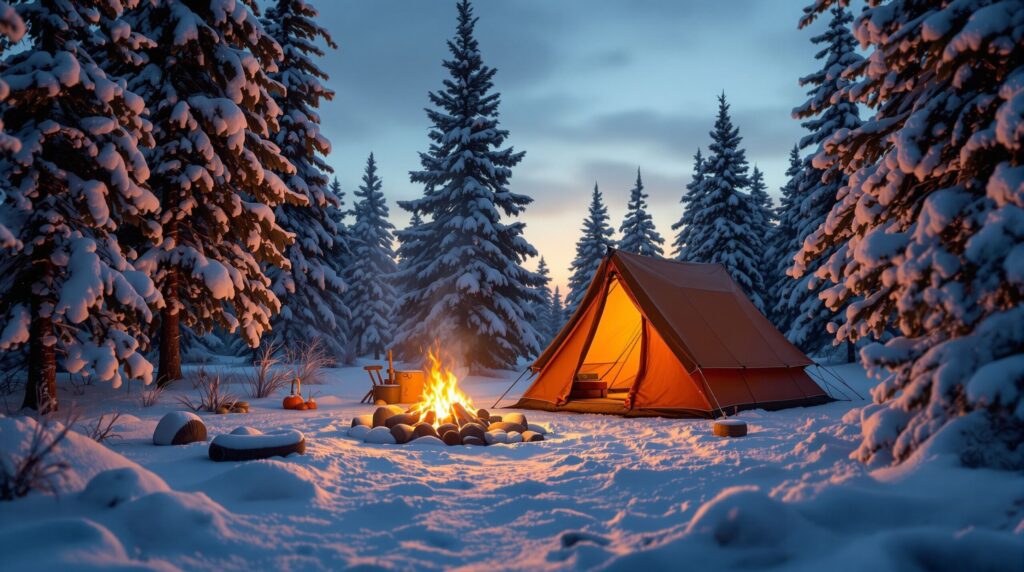
Cold weather changes everything about camping. Things that feel simple in mild conditions – sleeping, cooking, even getting dressed – take more effort and planning when temperatures drop.
It’s not just about being uncomfortable. If you’re not prepared, cold conditions can wear you down quickly, affect your decision-making, and in more serious cases, become dangerous.
The good news is that staying safe in the cold doesn’t require extreme gear or complicated systems. It comes down to a handful of habits and decisions that make a real difference once you’re outside.
Don’t Let Yourself Get Cold in the First Place
One of the biggest mistakes people make is reacting too late. They wait until they feel cold, then try to fix it. By that point, it’s already harder to warm back up.
A better approach is to stay slightly ahead of the cold. If you’re stopping for a break, put a layer on before your body temperature drops. If you’re starting to sweat while moving, adjust early so your clothes don’t get damp.
Cold weather isn’t something you “deal with later.” It’s something you manage constantly.
Moisture Is the Real Problem
Most people think temperature is the main issue. In reality, moisture causes more problems.
Sweat, damp clothing, or even condensation inside your tent can make you feel much colder than the actual air temperature. Once your layers are wet, your body loses heat faster and it becomes harder to stay comfortable.
That’s why breathability matters just as much as warmth. You want layers that let moisture escape while still keeping heat in. It also helps to have at least one dry layer reserved for when you stop moving or settle in for the night.
Your Setup Matters More Than You Think
Where and how you set up your campsite has a direct impact on how warm you’ll stay.
Even small decisions make a difference. Pitching your tent in a spot that’s slightly sheltered from wind, avoiding low ground where cold air settles, and making sure your sleeping area is properly insulated from the ground all add up.
A tent alone doesn’t keep you warm, it just protects you from the elements. What matters more is what’s underneath you and how well your setup reduces exposure.
Don’t Rely on Sleeping Bags Alone
A good sleeping bag helps, but it’s only part of the system.
If the ground beneath you is cold, it will pull heat away from your body no matter how warm your sleeping bag is. That’s why a proper sleeping pad is just as important. It creates a barrier between you and the ground, which makes a noticeable difference overnight.
It’s also worth paying attention to how you go to sleep. If you’re already cold when you get into your bag, it will take longer to warm up. Having a small routine like a short walk or a warm drink can help you settle in more comfortably.
Keep Food and Hydration Simple but Consistent
In cold conditions, your body burns more energy just to stay warm. Skipping meals or not drinking enough water can leave you feeling drained much faster than expected.
You don’t need complicated meal plans, but you do need to stay consistent. Warm food helps, not just for calories but for comfort. Even something simple like a hot drink can make a big difference at the end of the day.
It’s easy to forget to drink water when it’s cold, but hydration still matters just as much as it does in warm weather.
Be Careful With Fire and Heat Sources
Fire can be helpful, but it’s not something you should rely on completely.
Conditions aren’t always suitable for building one, and even when they are, it takes time and energy. It’s better to treat fire as a bonus rather than a core part of your plan.
The same goes for portable heaters or stoves. They need to be used carefully, especially around tents, to avoid safety risks. Proper ventilation and distance are essential.
Have a Clear Plan Before You Go
Cold weather leaves less room for improvisation.
Before heading out, it helps to think through a few basics. Where are you going to set up? What’s your backup plan if conditions change? How will you get out if needed?
You don’t need to overcomplicate it, but having a simple plan makes decision-making easier if something doesn’t go as expected.
The Right Gear Makes Things Easier
You don’t need to overpack, but having the right gear for cold conditions removes a lot of unnecessary stress.
That includes clothing that handles moisture properly, insulation that actually keeps you warm, and a setup that works in lower temperatures. If you’re not sure what’s worth bringing, this guide on cold weather camping gear breaks it down in a straightforward way without overloading you with options.
The goal isn’t to bring more, it’s to bring the things that actually matter.
Pay Attention to Small Changes
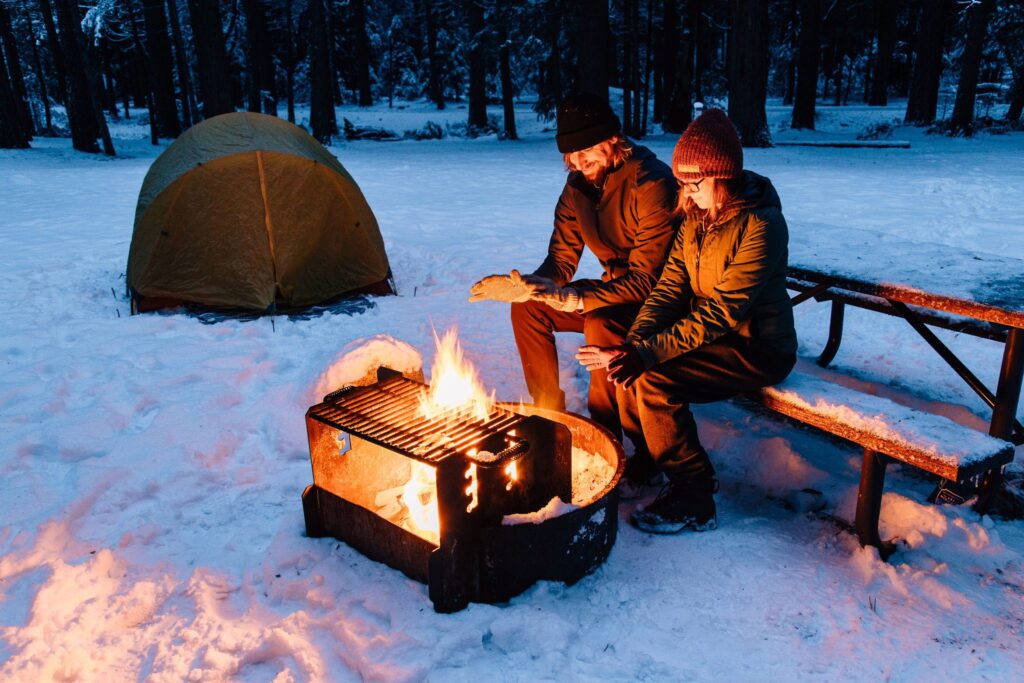
Cold conditions rarely become a problem all at once. It usually starts with small signs – your hands getting colder, your energy dropping, your clothes feeling damp.
Noticing those early makes a big difference. It gives you time to adjust before things become uncomfortable or harder to manage.
The more aware you are of those small shifts, the easier it is to stay in control of the situation.
Final Thought
Camping in the cold can be a great experience when you’re prepared for it. It’s quieter, often less crowded, and feels completely different from warm-weather trips.
Most of the challenges come down to simple things, staying dry, managing your body temperature, and making small adjustments along the way.
Once you get those right, the rest becomes much more manageable.